


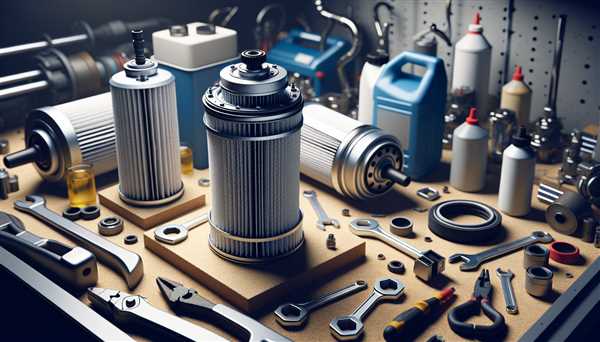
Implementing regular checks and maintenance is paramount to safeguard your machinery from unexpected disruptions. Establish a routine where the fluid passages are examined for impurities, ensuring optimum performance and longevity.
Choosing quality components plays a significant role in minimizing risks. Invest in high-grade separators and elements designed to trap undesired particles effectively, thereby maintaining the integrity of the fuel supply.
Utilizing a multi-stage filtration approach can significantly reduce the chances of harmful substances entering the engine. Combining different filter types ensures maximum protection, allowing for greater efficiency and less downtime.
Training personnel to recognize signs of inconsistencies in fuel quality fosters a proactive environment. Regular education on potential risks associated with inadequate filtration can lead to timely interventions that preserve machinery health.
Strategies for Preventing Contamination with Fuel Filters
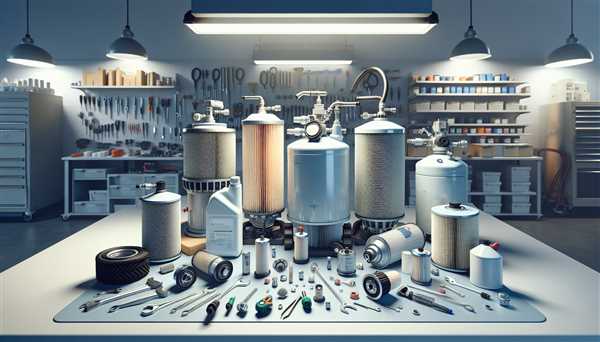
Regular replacement of sieves is fundamental; adhere to manufacturer timelines to avoid clogging.
Opt for high-quality strainers specifically designed for certain fuels to reduce impurities entering the system.
Implement proper sealing mechanisms to avert the risk of external pollutants infiltrating the lines.
Conduct periodic inspections of fuel storage containers; ensure cleanliness and integrity to minimize debris presence.
Utilize additives that enhance fuel purity, breaking down contaminants before they reach the sieves.
Train personnel on handling protocols, preventing mishaps that may introduce particles during refueling processes.
Conduct thorough maintenance checks on dispensing systems to identify potential leak sources or wear issues.
Enhance filtration systems by incorporating additional layers of protection tailored to specific fuel types.
Employ moisture separators to eliminate water, a frequent contributor to diminishing fuel quality.
Choosing the Right Fuel Filter for Your Vehicle
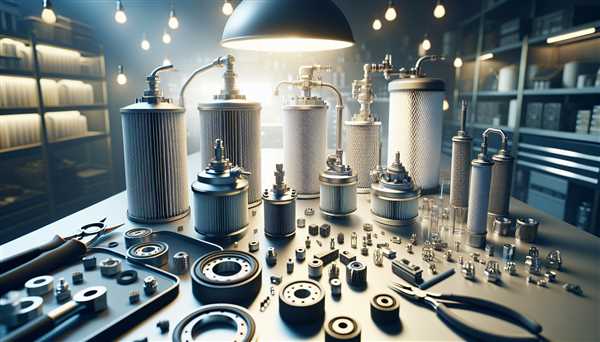
Select a filter that matches your vehicle’s specifications by referencing the owner’s manual or consulting a trusted automotive professional. Incorrect filters can lead to operational issues and decrease engine performance.
Consider the following factors when selecting a filter:
- Type: Synthetic filters generally offer better protection against particles and degradation compared to traditional options.
- Micron rating: Opt for filters with a lower micron rating for enhanced filtration efficiency. Aim for a rating of 10 microns or less.
- Compatibility: Ensure the filter is designed for your specific make and model. Different vehicles require different designs and specifications.
- Brand reliability: Choose well-known brands that have a proven track record for quality and dependability.
- Installation: Consider ease of installation. Some models may require professional help, while others are user-friendly for DIY mechanics.
Regular maintenance remains key; replace filters as specified in your vehicle’s service schedule to maintain optimal performance and longevity. Keeping track of when the filter was last changed can prevent future issues.
Finally, always buy from reputable sources to ensure authenticity and avoid counterfeit products, which may compromise the filtering system and lead to engine damage.
Best Practices for Maintaining Fuel Filter Integrity
Regularly inspect and replace filtration elements according to the manufacturer’s recommendations. This ensures optimal performance and minimizes the risk of harmful particles impacting the system.
Utilize high-quality filtration products that are compatible with your specific application. Opt for filters designed to handle the specific contaminants present in the environment.
Avoid mixing different brands or types of filtration units, as this can lead to incompatibility issues that compromise the integrity of the system.
Ensure all connections and seals are tight and free from leaks. Any breach can introduce unwanted particulates into the fuel system.
Maintain a clean storage environment for fuel. Containment systems should be regularly cleaned and inspected to prevent residual sediment and debris from entering the system.
Implement a proactive monitoring routine to assess any changes in performance. Abnormal pressure drops may indicate a clogged filter, requiring immediate attention.
Keep a record of maintenance activities, including replacement dates and filter types used. This data helps in tracking performance trends and predicting future needs.
Consider using additives specifically designed to enhance filter performance and reduce the formation of harmful deposits.
Educate personnel on the importance of handling fuel and filtration equipment properly to reduce the likelihood of accidental contamination during maintenance and operation.
Identifying and Addressing Common Contamination Sources
Regular inspections are critical for detecting dirt, water, and particulate matter in storage tanks. Install clear sight gauges to monitor sediment levels, ensuring any buildup is addressed immediately.
Use high-quality equipment during refueling to avoid introducing impurities. Maintain clean hoses and nozzles, and ensure that all containers used for transferring liquids are free from residue.
Utilize secondary containment systems to capture any leaks or spills, which can lead to unwanted elements mixing with your liquid supply. This practice not only protects the environment but also minimizes risks to your fuel supply.
Monitor temperature fluctuations, as they can cause condensation and moisture accumulation. Implement proper tank heating solutions to combat this issue, ensuring that all fuel remains in optimal condition.
Conduct routine sampling and testing of your liquid supply. This proactive approach enables the early detection of adverse elements, allowing for quick corrective actions.
Ensure that all personnel involved in the handling and transfer of your liquid supply are properly trained. Inadequate knowledge can lead to mishandling and increased risk of introducing contaminants.
Install high-performance filtration systems tailored to your specific needs. This equipment plays a significant role in removing undesired particles and ensuring the integrity of your liquid supply.
Keep meticulous records of inspections, maintenance, and incidents to identify trends and potential weaknesses. This data provides a foundation for improving your management practices.
