


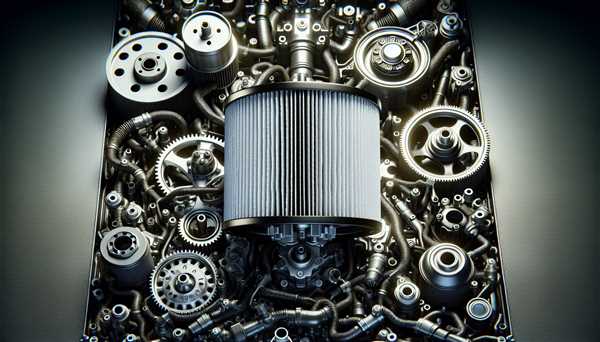
Using a top-grade filtering component is critical to prevent harmful particles from circulating through your vehicle’s internal components. Selecting a filter that meets manufacturer specifications will significantly reduce wear and tear, ultimately extending the lifespan of your machinery.
Regular inspections play a key role in sustaining the integrity of filtration systems. It’s recommended to check the filtering element every oil change or every 3,000 to 5,000 miles, depending on driving conditions and the type of fluid used. A clogged or poorly functioning filter can lead to serious issues, making your choice of product even more vital.
Pay attention to the filtration capacity and material of your chosen products. High-quality items usually possess multiple layers of synthetic media that effectively capture contaminants while allowing maximum flow of lubricant. Investing in such options leads to improved performance and contributes to the longevity of various engine parts.
By prioritizing your filter selection and maintenance routine, you will keep foreign substances at bay, ensuring the smooth operation of your vehicle for years ahead.
Choosing the Right Oil Filter for Your Engine Type
Select a filter that matches your vehicle’s specifications, focusing on the manufacturer’s recommendations. Each engine type requires specific filtering capabilities based on its design and operational needs.
Consider the following factors when selecting:
- Filter Type: Opt for either full-flow filters or bypass types based on the engine’s filtration needs. Most modern engines use full-flow systems.
- Micron Rating: Look for filters that capture particles down to 20 microns or lower. This ensures dirt and debris do not circulate through the lubricating system.
- Brand Reputation: Choose filters from reputable manufacturers who adhere to industry standards; check for certifications like ISO 9001.
- Compatibility: Verify that the filter fits your engine model. Cross-reference part numbers to avoid misfits.
- Filter Media: Paper, synthetic, or metal mesh media options have their advantages. Evaluate which type aligns with your performance expectations.
Avoid generic filters that lack specific data on your engine type. Ensure regular replacements according to the service intervals recommended by the manufacturer.
Understanding the Role of Oil Filters in Engine Longevity
A high-quality filtration component is crucial for prolonging the lifespan of a power unit. It effectively traps contaminants, preventing them from circulating within the lubrication system. Regularly inspecting and replacing this component ensures optimal performance and reduces wear on engine parts.
Using a well-designed filtration element can greatly enhance the cleanliness of the lubrication, allowing for smoother operation and better heat dissipation. This protection aids in minimizing friction and helps maintain ideal operating temperatures.
It’s advisable to adhere to the manufacturer’s recommendations regarding replacement intervals. Frequent changes help in maintaining a low level of harmful particles, which could otherwise lead to premature deterioration of internal components.
Selecting filters that meet industry standards can further ensure efficient particle capture. Look for those that utilize advanced materials, as they may offer increased dirt-holding capacity and better flow rates. This contributes to maintaining reliable lubrication throughout the power unit.
Additionally, understanding the specific requirements of the machinery will guide the selection of the right filter type, enhancing the lubrication process. Regular maintenance practices concerning this crucial component will go a long way in securing the longevity of the equipment.
Regular Maintenance Practices for Optimal Oil Filter Performance
Change the filter at every oil replacement, typically every 5,000 to 7,500 miles, to ensure maximum trapping of contaminants.
Inspect seals and gaskets for leaks during service; a small leak can significantly compromise filtering efficiency.
Use high-quality lubricant according to manufacturer specifications, as subpar products may lead to quicker degradation of filter media.
Check for any unusual noises or drop in pressure, which may indicate a filter issue or blockage.
Maintain a consistent schedule for routine checks, including visual inspections for dirt buildup.
Consider using a filter wrench designed for your vehicle model for easy and safe removal, preventing potential damage.
Watch for warning indicators on the dashboard; they provide early signs of malfunctioning filtration systems.
Replace any damaged or corroded components associated with the filtration system to support optimal oil flow.
Always follow the vehicle’s service manual guidelines to ensure compatibility and performance of the chosen filtering element.

