



For optimal operation, ensure side reflectors are correctly adjusted to minimize blind spots. This adjustment can significantly enhance awareness of surrounding vehicles and pedestrians, crucial for safe maneuvers.
Position side reflectors at a point where they provide a clear view of adjacent lanes. Consider checking these adjustments periodically, especially after any vehicle modifications or repairs. Regular maintenance of these vital components will aid in maximizing awareness, promoting a safer driving experience.
Utilizing technology such as blind-spot monitoring systems can complement traditional reflectors. These systems provide an additional layer of protection, alerting drivers to hidden obstacles while changing lanes or merging. However, reliance on these advanced features should not replace the necessity for properly functioning side reflectors.
Ultimately, meticulous attention to these visual aids, combined with proactive vehicle handling, contributes to an overall safer experience on the road. Prioritize adjusting and maintaining these fundamental tools for better awareness in everyday driving scenarios.
Adjusting Side Mirrors for Optimal Blind Spot Coverage
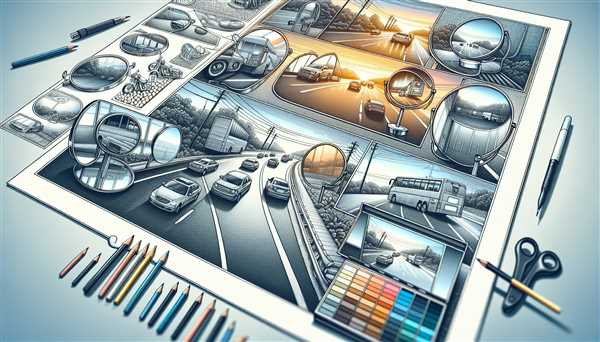
Position side mirrors outward until the adjacent lanes become visible. Aim for a viewing angle that just touches the edge of your vehicle, expanding field of sight.
While seated normally, ensure the top of the side glass aligns with the horizon. Adjust the mirror down slightly to cover lower areas without blurring rear views.
Utilize the ‘three-car-length’ rule: adjust mirrors so the nearest car in the neighboring lane appears about three car lengths away. This provides ample space for operational safety.
Regularly check the alignment upon entering the car. Environmental factors or passenger adjustments can inadvertently alter mirror positioning, affecting coverage.
Utilize convex side mirrors for wider angles. They reduce blind spots, offering a panoramic view of surroundings while maintaining standard contrast.
Choosing the Right Type of Side Mirrors for Different Vehicles
Selecting the appropriate side optics involves understanding vehicle type and intended use. For standard passenger cars, flat or slightly convex shapes offer a balance of clarity and peripheral view.
For larger vehicles like trucks and SUVs, opt for wide-angle variants. These provide increased lateral range, minimizing blind spots, crucial for safe maneuvering in tight spaces.
- Flat Mirrors: Best for sedan models, offering clear reflections of surrounding cars.
- Convex Mirrors: Ideal for compact cars, expanding field of view, helpful in urban environments.
- Wide-Angle Mirrors: Recommended for trucks and buses, enhancing side observation at greater distances.
- Heated Mirrors: Useful in colder climates, preventing fog and ice buildup for continuous clear viewing.
For performance vehicles, ensure an aerodynamic shape that reduces drag while maintaining functionality. Incorporate adjustable features for personalized angles, which enhance user experience during driving.
Ultimately, critical choices about side optics stem from understanding surrounding conditions, vehicle dimensions, and driver preferences to promote safer journeys on the road.
Maintenance Tips to Ensure Clear Visibility from Mirrors

Regular cleaning enhances clarity. Use a microfiber cloth and a suitable glass cleaner to remove dirt and smudges without scratching the surface.
Check alignment frequently. Adjust side components to optimize views and minimize blind spots, ensuring they are correctly positioned for your sightlines.
Inspect for damage. Small cracks or chips can distort reflections. Replace any damaged side panels immediately to maintain visibility.
Keep the hardware secure. Periodically tighten screws and mounts to prevent shifting or wobbling, which can obstruct clear vision.
Consider applying a protective coating. A hydrophobic treatment can repel water and grime, making cleaning easier and improving visibility in wet conditions.
Monitor for fogging. Use anti-fog solutions during colder months to prevent misting that impairs sight.
Regularly adjust for changes in load. Whether carrying passengers or cargo, ensure side surfaces are configured to accommodate any shifts that may affect viewing angles.
