



To minimize oscillation issues, focus on regular inspection of rotating components, ensuring they are aligned precisely. Misalignment can lead to increased stress and unnecessary wear on transmission rods, influencing performance and longevity.
Assessing the balance of these rods is paramount; unbalanced systems can create excessive noise and premature failure. Utilize vibration analysis tools to pinpoint specific frequencies and amplitudes that indicate imbalance, allowing for targeted correction measures.
Don’t overlook the mounting points; worn bushings or inadequate support can amplify oscillatory behavior. Regular maintenance and replacement of these components can significantly enhance system stability.
Finally, consider environmental factors such as temperature changes and exposure to contaminants. These elements can compromise the materials, affecting their structural integrity and leading to variations in dynamic behavior. Proper sealing and protection are advisable to maintain optimal function.
Common Causes of Drive Shaft Vibration in Vehicles
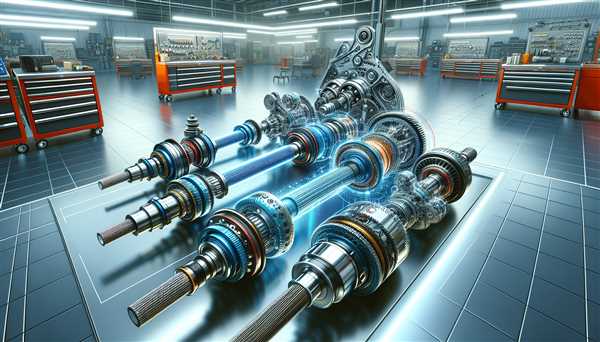
Inspect for unbalanced components as this is a frequent source of oscillation. Inconsistent weight distribution or damage can lead to excessive movement during rotation.
Check for misalignment, where the angles of the power transmission elements do not match. This can cause increased wear and noticeable shaking while driving.
Examine wear on universal joints. Deterioration in these connections can result in lateral play, causing instability and noticeable disturbances.
Look for damaged or worn mounting supports. Weak or broken mounts can allow shifting, adding to unwanted noise and movement through the drivetrain.
Monitor for external factors such as road conditions or tire imbalances. Uneven surfaces can amplify any pre-existing issues within the power delivery system.
Consider the possibility of debris or foreign objects stuck within the assembly. These can create irregularities that disrupt the smooth operation of your machinery.
Evaluate the condition of the transmission. Faults here may propagate through the assembly, causing unexpected disturbances where they might not be evident initially.
Diagnostic Techniques for Identifying Drive Shaft Issues
Begin with a visual inspection for any signs of physical damage or abnormalities. Look for dents, cracks, or corrosion along the length of the component. This will help to spot obvious defects that may influence performance.
Utilize vibration analysis to detect irregularities. By placing a sensor on the housing, recording vibration patterns can reveal misalignment or imbalance. Pay attention to frequency components; a sudden change may indicate wear or failure.
Employ a run-out measurement using a dial indicator to check for straightness. Any deviations during rotation can be a precursor to issues like bearing failure or joint malfunction.
Conduct a torque test to assess the coupling’s integrity. Imbalanced torque readings may signify deterioration within the drive assembly, impacting power transmission.
Incorporate thermal imaging to identify overheating components. Elevated temperatures in specific areas often indicate friction or misalignment concerns that require immediate attention.
A listening device can enhance diagnostics by picking up unusual sounds during operation. Knocking or grinding noises may suggest internal damage or loose connections.
Perform a road test under various conditions to monitor for vibrations and noise. Unusual behaviors during acceleration, braking, or turning can highlight hidden issues.
Finally, use a lubrication analysis to evaluate fluid condition and contamination levels, which can influence the longevity of the assembly. Regular monitoring will support proactive maintenance efforts.
Preventive Measures to Reduce Drive Shaft Vibration

Regularly inspect mounting brackets and hardware for tightness. Ensure that all connections are secure to prevent movement that can lead to oscillations.
Balance components accurately. Imbalance in rotating parts causes excessive motion. Utilize balancing machines for precise adjustments.
Monitor alignment consistently. Misalignment between connected elements increases stress and can provoke fluctuations. Use laser alignment tools to achieve perfect positioning.
Conduct routine maintenance on bearings and universal joints. Lubrication and replacement of worn parts contribute significantly to minimizing movement.
Employ vibration dampers or isolators. These components absorb energy from oscillations, reducing transfer to the surrounding structure.
Assess operational speed ranges. Avoid running at resonant frequencies to prevent amplification of oscillatory effects.
Implement regular dynamic or static tests. These assessments help identify and rectify potential issues before they escalate.
Install adjustable mounting points. They allow for tweaking positions to discover optimal settings that minimize disturbances.
Utilize high-quality materials for construction. Superior components reduce wear and enhance overall stability, thereby decreasing unwanted motion.
Train personnel on vibration monitoring techniques. Awareness can lead to early detection of issues, allowing for timely interventions to maintain smooth operation.

