


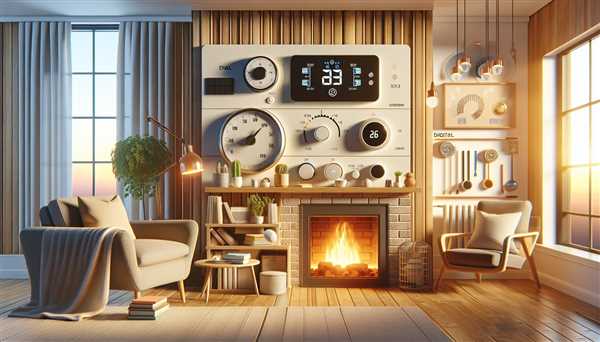
For optimal climate management within your space, choose a programmable model that allows for tailored settings. This can significantly enhance energy conservation while ensuring a comfortable atmosphere during various times of the day.
A solid grasp of climate regulation mechanisms is crucial for anyone looking to maintain ideal living conditions. Familiarize yourself with functions such as scheduling and responsiveness to external changes. These features help maintain consistency and adaptability with minimal manual intervention.
Select a unit with multiple sensing options to monitor variations and adjust accordingly. A smart device can provide real-time feedback, allowing users to make adjustments based on current conditions or personal preferences.
Installation is straightforward, but ensure compatibility with your existing heating and cooling systems. Proper calibration is vital for ensuring precision in performance and saving on utility expenses.
Types of Thermostats: Choosing the Right One for Your Needs
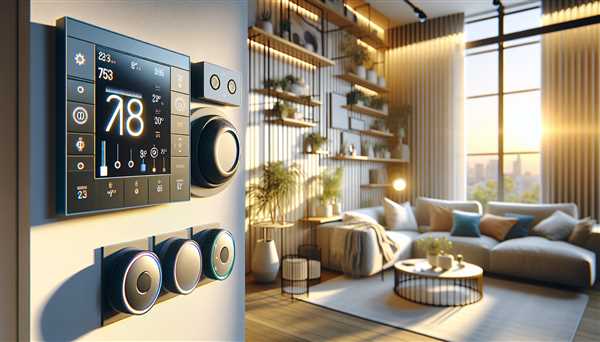
For optimal climate management, select a programmable unit if your schedule varies significantly. Such instruments allow for preset adjustments, enhancing comfort and reducing energy expenditure.
If you prefer simplicity, a manual variant suffices. These devices require physical adjustments, offering straightforward operation without complex configurations.
Smart options integrate with home networks, enabling remote modifications through smartphones. They learn user preferences, optimizing settings automatically, which benefits both comfort levels and energy savings.
Consider compatibility with your heating and cooling systems. Some models suit specific systems like heat pumps or traditional furnaces. Verify requirements to ensure proper functionality.
Battery-operated types provide flexibility in placement, while hardwired models often feature more advanced functionality. Assess your setup to determine the most suitable choice.
For those living in regions with significant temperature fluctuations, look for features like temperature averaging or geofencing. These capabilities enhance performance in varying conditions.
Finally, evaluate your budget. Simple units are cost-effective, while smart models may carry a higher price but offer long-term savings. Prioritize features that align with your needs and routines for maximum benefit.
Installation Tips: How to Properly Set Up Your Thermostat
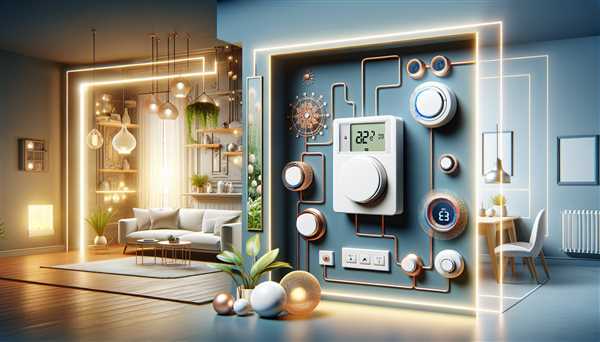
Ensure the location of the unit is away from direct sunlight, drafts, and heat sources like vents or fireplaces. This will help maintain accurate readings.
Mount the device at eye level, typically about 5 feet from the floor, to achieve optimal sensing capabilities. This position allows for better airflow and precise monitoring.
Prior to installation, switch off the power to the heating and cooling systems at the circuit breaker to prevent any accidents.
Utilize a level tool to keep the appliance horizontally aligned. An uneven setup can lead to inaccurate temperature readings.
Carefully connect the appropriate wires according to the manufacturer’s instructions. Double-check each connection to ensure proper functionality.
After securing the apparatus, restore power and conduct a test run. Confirm that it operates smoothly within the expected range of degrees.
Consider programming the unit with a schedule to enhance energy savings while maintaining a comfortable environment.
Regularly check for updates in software if the model is smart-enabled to benefit from enhanced features and improved performance.
Take note of seasonal adjustments; re-calibrate settings as needed to adapt to fluctuating weather conditions.
Temperature Management: Programming Your Thermostat for Optimal Comfort
Set your thermostat to a lower temperature while sleeping. Aim for 60-67°F (15-19°C) for better rest. This range promotes deeper sleep and reduces energy consumption.
During the day, program different zones for efficiency. Set the living area to a comfortable 68-72°F (20-22°C) when occupied, while reducing the heat in unoccupied spaces.
Utilize a programmable device to automate changes. Follow these steps:
- Choose a schedule: Determine your weekly routine.
- Set times: Program heating or cooling for specific times based on when you are home or away.
- Adjust settings: Use vacation modes to minimize energy use during longer absences.
Consider smart models that learn your preferences over time. They adjust automatically, ensuring personalized comfort and energy savings.
Monitor outdoor temperatures. If conditions drastically change, be ready to tweak your settings for maximum comfort and efficiency.
Regular maintenance significantly impacts performance. Change filters as needed and check the device’s functionality to prevent issues that lead to uncomfortable environments.
Lastly, educate all household members about the settings. Consistent use of programmable features ensures that everyone benefits from optimized climate control.

