


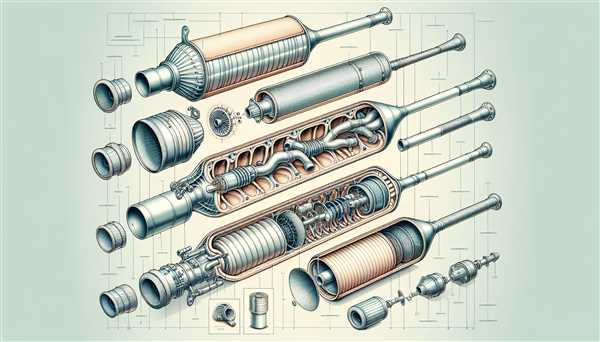
For the best results in achieving minimal sound emissions from your vehicle, consider using an advanced silencer designed with optimized pathways for exhaust gases. This approach not only maximizes gas flow but also minimizes disruptive sounds created by engine operation.
The key to achieving superior sound mitigation lies in the internal structures of these devices, which are often equipped with sound-absorbing materials. These components effectively dissipate sound waves, transforming them into harmless vibrations. Pay close attention to diameter and length; larger units tend to reduce noise more effectively while maintaining engine performance.
Incorporating a well-designed baffle system can significantly enhance the attenuation of unwanted frequencies. Not all configurations will suit every engine type; hence, customizing your installation according to specific vehicle requirements is advisable. Lastly, regular maintenance ensures that functionality remains intact, preventing deterioration in noise control over time.
How Muffler Design Influences Exhaust Sound Levels
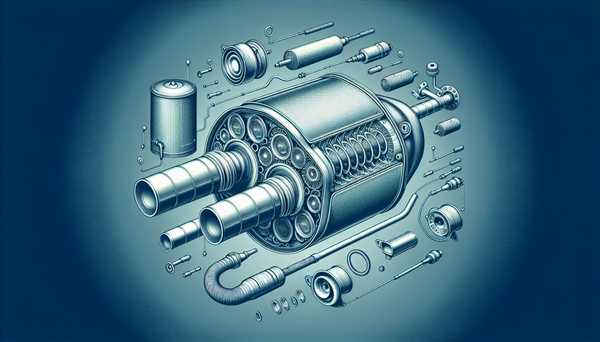
The shape and internal structure of a silencer have a direct impact on the intensity of sound produced by the exhaust system. A larger volume allows for more effective dissipation of sound waves, resulting in lower levels of noise. Similarly, designs incorporating multiple chambers or baffles disrupt the flow of exhaust gases, helping to diminish audible output.
The materials used in construction also play a significant role. Flexible composites can absorb sound frequencies more efficiently than rigid metals, providing a smoother and quieter exhaust experience. Additionally, incorporating sound-absorbing materials within the device can significantly enhance its capability to reduce unwanted noise.
The placement and angle of installation affect sound characteristics as well. Positioning the unit further from the engine tends to lower noise levels, while an angled setup can modify the exhaust note, altering how the sound resonates through the vehicle’s body.
Choosing resonators in conjunction with the unit can fine-tune sound frequencies further, allowing for a customized audio profile that meets driver preferences while maintaining compliance with regulations. Experimenting with various designs can lead to a more harmonious balance between performance and sound quality.
Techniques for Enhancing Noise Absorption in Mufflers
Incorporate multiple internal chambers to promote sound wave reflection and absorption. Each chamber can be tuned to specific frequencies, allowing for effective dampening of unwanted sounds.
Utilize sound-deadening materials, such as fiberglass or mineral wool, within the structure. These materials trap sound waves and minimize their transmission, enhancing overall performance.
Implement a perforated tube design in the exhaust pathway. This allows exhaust gases to pass through while scattering sound waves, thus reducing audible noise levels.
Introduce resonators along with traditional designs. These components can be strategically placed to counteract specific frequencies, helping to improve quietness.
Ensure proper placement and alignment within the system to avoid turbulence, which can generate unwanted disturbances. Smooth transitions in bends and joints contribute to noise management.
Experiment with varying pipe diameters. Larger pipes can decrease velocity and turbulence, while smaller ones may help in sound modulation, ultimately affecting absorption and tone.
Practical Considerations for Selecting the Right Muffler Type
Choose a design that balances performance and sound dampening based on your vehicle’s application. For daily drivers, a configuration that minimizes loudness while maintaining power output is ideal. Consider an option like a chambered design, which allows for moderate absorption and offers an efficient pathway for exhaust gases.
If high levels of suppression are a priority, look for units with multiple internal baffles or sound-absorbing materials. These options tend to provide greater attenuation without significantly restricting airflow, essential for performance optimization.
For off-road or performance setups, a straight-through style may be more suitable. Although this type offers less muted sound, its ability to enhance horsepower makes it popular among enthusiasts. Remember, the trade-off is often a more pronounced exhaust note.
Evaluate the installation space available; some types may require more room than others. Additionally, ensure compatibility with the existing exhaust system to avoid costly modifications. Keep in mind legal regulations concerning allowable sound levels in your region, as this will influence the selection process.
Consult product reviews and technical specifications to make an informed decision. The reputation of the manufacturer can also provide insights into durability and performance, guiding you to a reliable option for your needs.
