


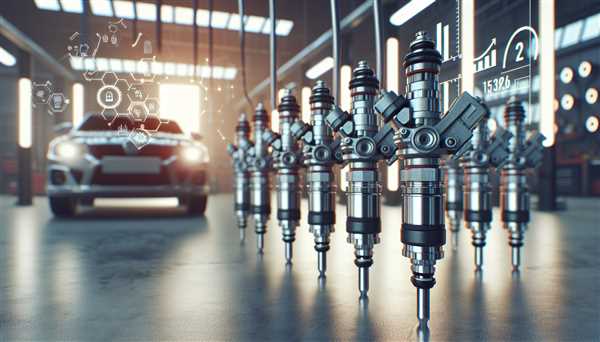
Prioritize selecting high-quality fuel delivery components to significantly enhance vehicle performance and reduce consumption. The precision with which the combustion mixture is injected directly affects the miles per gallon you can achieve. Ensure that your system operates at optimal pressure for the best results.
Consider upgrading to high-performance models designed with advanced atomization technology. These are engineered to promote better combustion, leading to less waste and improved mileage. Keep an eye on your vehicle’s maintenance schedule to ensure that any wear on these components does not hinder their output.
Pay attention to the calibration of your vehicle’s control unit. Proper tuning can maximize the effectiveness of the delivery mechanisms, allowing for greater efficiency while minimizing harmful emissions. Regular diagnostics can help identify any inefficiencies within the system that could be costing you at the pump.
How Injector Types Influence Fuel Consumption
Choosing the right type of fuel delivery system is crucial for optimizing performance. Direct injectors provide more precise control over the amount of liquid introduced into the combustion chamber, leading to a more complete burn. This results in maximized output with less waste compared to traditional port versions.
Multi-hole tips on direct systems enable finer atomization, breaking the substance into smaller particles. Better atomization enhances the mixing process with air, producing a more efficient combustion phase. Users often notice a significant reduction in reagent use under various driving conditions.
When considering variable valve timing alongside injectors, the combined effect can yield noticeable reductions in consumption during different throttle positions. This adaptability means less excess unburned mixture, which directly correlates to improved mileage.
On the other hand, outdated technologies like throttle body injectors tend to have a less favorable effect. Their broader spray pattern can lead to incomplete combustion, resulting in higher consumption and increased emissions.
Additionally, maintaining clean delivery systems ensures optimum performance. Regular cleaning or replacement prevents clogging, which can hinder efficiency and lead to higher liquid expenditures. Monitoring nozzle conditions is paramount for achieving the best outcomes.
In summary, the selection and maintenance of the proper type of delivery apparatus affect consumption rates significantly. Understanding these differences allows for informed decisions that enhance operational efficiency and reduce resource expenditure.
Understanding Injector Cleaning Techniques for Optimal Performance
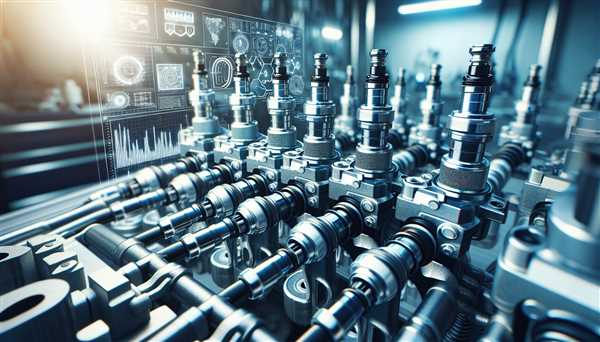
Utilize a professional cleaning service to maintain peak performance of your fuel delivery systems. This procedure often includes ultrasonic cleaning, which effectively removes build-up without damaging components.
Home cleaning kits, including solvent-based solutions, can serve as an alternative. These solutions dissolve deposits and enhance the spraying pattern. Follow the manufacturer’s instructions for application to prevent potential damage.
Regular use of fuel additives provides a preventative measure against clogging. Choose products specifically designed to clean and maintain nozzle integrity. Adding these to regular servicing ensures long-term performance and reduces operating costs.
Running a vehicle at higher RPMs briefly can also help dislodge carbon build-up. However, this should be done cautiously to avoid excessive wear or damage.
Consider replacing worn-out components, as even the best cleaning techniques can’t restore functionality to damaged parts. Regular inspections of the delivery systems will help identify issues early and improve longevity.
Assessing the Role of Injector Calibration in Fuel Efficiency
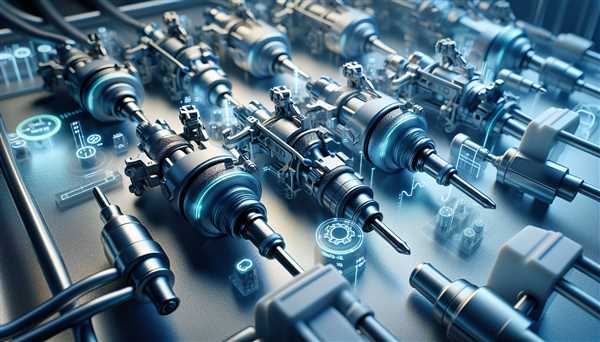
Calibrating nozzle precision is critical for optimizing combustion parameters. Ensure that injectors deliver the correct volume of the blend at the right timing. Accurate adjustments can lead to a reduction in excess air or unburned blend, which directly correlates with a smoother and more complete burn cycle.
Overly rich or lean mixtures can result in poor combustion, leading to increased residues and lower power output. Adopting the right settings involves adjusting the spray pattern and the pressure under which the mixture is injected. This fine-tuning can improve thermodynamic efficiency.
Regular diagnostics help identify misalignments, which may skew performance metrics. Utilizing advanced software for real-time monitoring can provide insights into injector behavior and discrepancies, allowing for quick remediation. Consistent calibration checks will ensure sustained operational excellence.
Consider upgrading to components that offer enhanced adjustability, allowing for dynamic re-calibration based on driving conditions. Incorporating these strategies enables improved thermal management and contributes to significant long-term savings on consumption and operational costs.