


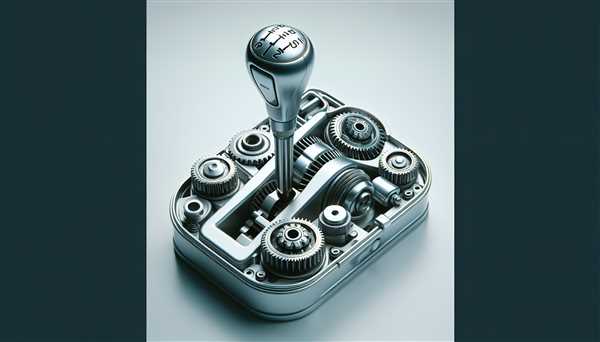
To enhance your driving experience, ensure that the mechanism responsible for transmitting power from the engine to the transmission performs impeccably. Prioritize high-quality mechanisms like pressure plates, friction discs, and release bearings, as their condition directly influences the performance of your transmission.
Evaluate the lifespan and material quality of friction discs; opting for those made with advanced composite materials can provide better grip and heat resistance. Investing in upgraded pressure plates can also enhance clamping force, promoting quicker transitions between speeds. Paying attention to the details of these integral parts can mean the difference between hassle-free shifts and frustrating experiences on the road.
Periodic inspection of the release bearing is equally vital. If this part wears out, the entire mechanism’s efficiency diminishes. Look for signs of wear and replace it promptly to maintain optimal performance during shifting. Regular maintenance of these elements not only prolongs their lifespan but also keeps your vehicle’s shifting experience sharp and engaging.
Understanding the Role of Clutch Plates in Gear Shift Performance
To enhance shifting precision, focus on high-quality friction and separator plates. These elements directly affect the interaction between the engine and transmission, ensuring effective power transfer.
Regular inspection of wear on these plates is crucial; even slight degradation can lead to slippage, resulting in unresponsive transitions. Replacing worn plates prevents issues that compromise acceleration and longevity.
Consider the material composition. Steel plates offer durability, while organic materials provide smoother operation. Selecting the right type depends on driving style and vehicle demands.
Proper adjustment during installation is key. Misalignment can result in uneven wear and inefficient performance. Align components meticulously to secure optimal engagement during shifts.
Utilize appropriate lubrication to reduce friction between the plates, enhancing fluid movement. This not only aids in longevity but also supports quick transitions when necessary.
Monitor hydraulic systems that control plate engagement. Any malfunction can adversely affect responsiveness during shifts. Routine checks can catch and resolve issues before they escalate.
Ultimately, investing in superior plates and maintaining them diligently will significantly enhance the interaction between engine power and transmission performance, resulting in seamless mobility.
How Hydraulics Influence Clutch Engagement and Disengagement
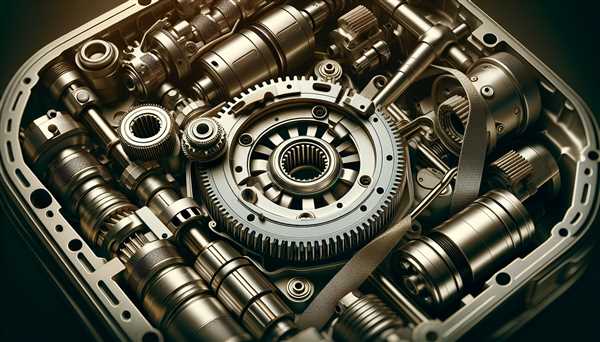
Efficient hydraulic systems are critical for precise connection and disconnection of the transmission elements. These systems facilitate seamless transitions between different drive ratios, enhancing the overall performance of the vehicle.
Key factors influencing hydraulic systems include:
- Fluid Pressure: Consistent hydraulic pressure is necessary for optimal operation. Variations can lead to sluggish or abrupt shifts.
- Master Cylinder Function: The master cylinder generates force that is transmitted through the hydraulic fluid. Regular maintenance is crucial to avoid leakage and ensure responsiveness.
- Slave Cylinder Performance: The slave cylinder must effectively translate hydraulic pressure into mechanical movement, allowing the release bearing to engage or disengage properly.
To enhance hydraulic efficiency, consider the following recommendations:
- Regularly check fluid levels and replace the hydraulic fluid as needed to maintain system integrity.
- Inspect hoses and connections for wear or damage, which can cause leaks and pressure loss.
- Ensure the master and slave cylinders are functioning correctly to avoid any lag in operation.
By focusing on these elements, drivers can experience smoother and more dependable transitions between different transmission settings, enhancing overall driving comfort and performance.
Maintenance Practices for Extending Clutch Component Lifespan
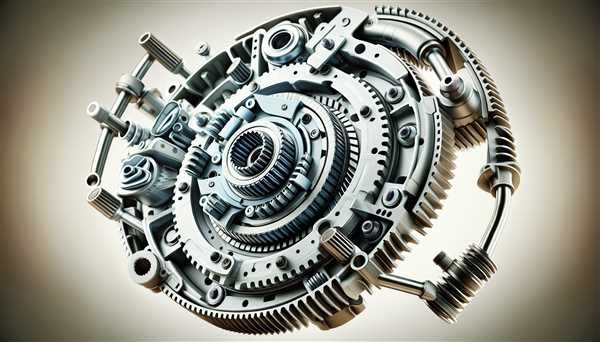
Regular inspections are critical. Examine the pressure plate and disc for wear during routine check-ups. If any cracking or noticeable wear is found, replacing these parts is necessary to maintain functionality.
Ensure proper adjustment of the linkage or hydraulic system. Misalignment can lead to uneven pressure, increasing the risk of premature failure. Regular adjustments will keep the mechanism responsive.
Utilize high-quality fluids. Always use manufacturer-recommended hydraulic fluid, as it will enhance performance and minimize wear. Poor lubrication can contribute to overheating and degradation.
Avoid abrupt gear changes. Smooth transitions lessen stress on the mechanism, extending lifespan significantly. Train drivers to be mindful of their shifting habits.
Keep the area around the assembly clean. Contaminants can lead to premature wear. Regularly clean the bell housing and surrounding areas to prevent dirt accumulation.
Monitor usage patterns. If the vehicle often operates in heavy traffic or engages in frequent stop-and-go scenarios, consider more frequent maintenance checks to address wear and prevent failures.
Consider an inspection of the flywheel. Uneven surfaces or damage can impact performance. Resurfacing or replacement might be necessary to maintain balance and engagement quality.
Incorporate periodic replacement of the friction material within recommended intervals. Staying ahead of wear will prevent unexpected failures and ensure continued functionality.