


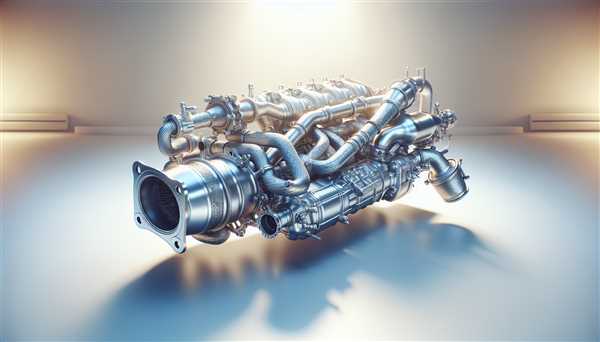
Integrating advanced catalysts in automotive systems can significantly diminish harmful exhaust outputs. These devices facilitate complex chemical reactions, transforming hazardous substances into less damaging components. Drivers seeking greener options should ensure their vehicles are equipped with high-quality catalyst systems to meet regulatory standards.
Regular maintenance of catalytic systems plays a critical part in sustaining performance and reducing pollution. Routine inspections help identify potential issues that may compromise efficiency and lead to increased emissions. Vehicle owners are encouraged to consult manuals and adhere to manufacturer guidelines for optimal functionality.
Upgrading to modern catalytic systems is advisable for those looking to enhance environmental responsibility. Newer technologies offer improved conversion rates, further minimizing the ecological impact. In addition, utilizing fuels with lower sulfur content can empower these systems to perform at their best, contributing to clearer air quality.
Understanding the Mechanism of Catalytic Converters in Reducing Harmful Emissions
To enhance air quality, integrating these devices in vehicles is necessary. They facilitate the conversion of harmful substances into less detrimental compounds through various chemical reactions.
The primary components include:
- Reduction catalysts: Typically made of platinum and rhodium, these change nitrogen oxides into nitrogen and oxygen.
- Oxidation catalysts: Often composed of palladium, they convert carbon monoxide and unburned hydrocarbons into carbon dioxide and water.
This dual functionality ensures that peak performance occurs across different operating conditions.
Moreover, the placement of the unit within the exhaust system is strategic; it is positioned close to the engine to quickly achieve operational temperatures.
Regular maintenance plays a significant role in keeping the system functional. Here are critical maintenance tips:
- Conduct routine inspections for signs of damage or wear.
- Monitor engine performance; problems such as misfiring can lead to unburned fuel entering the unit.
- Ensure that the fuel meets manufacturer specifications to prevent contamination.
Understanding these mechanisms underscores their importance in promoting cleaner combustion processes. By following maintenance protocols and integrating these units smartly, harmful outputs are significantly mitigated, contributing to a healthier environment.
Common Issues and Maintenance Tips for Catalytic Converters
Check for physical damage, such as dents or cracks. A compromised unit can hinder performance and increase harmful outputs. Inspect the exhaust system for leaks, as they can affect the unit’s efficiency.
Monitor vehicle performance. Poor acceleration, reduced fuel efficiency, or unusual engine noises may indicate a malfunction. Conduct regular diagnostics to identify underlying issues early.
Replace faulty sensors. Oxygen sensors are critical for optimal functioning. A malfunctioning sensor can mislead the engine control unit, causing improper fuel mixture and increased harmful emissions.
Keep up with routine maintenance. Schedule regular oil changes and ensure the engine runs smoothly. Contaminated oil can contribute to larger issues with the exhaust system.
Use high-quality fuel. Poor-grade gasoline can lead to carbon buildup, significantly reducing the lifespan of the component. Look for fuels with detergents that help minimize deposits.
Avoid short trips. Frequent short drives prevent the engine from reaching optimal temperatures, which can cause excessive buildup and compromise the unit’s function.
Listen for warning signs. Check engine lights or unusual engine behavior should prompt immediate inspection to address potential issues swiftly.
Be aware of age. Over time, these components may naturally wear out. If your vehicle is older than ten years or has high mileage, consider monitoring the component closely for any irregularities.
The Impact of Catalytic Converters on Vehicle Performance and Fuel Efficiency
The presence of emission-reducing devices can enhance vehicle efficiency by optimizing combustion processes. Incorporating such systems typically leads to better fuel atomization, enabling more complete combustion and minimizing waste. This results in improved acceleration and overall responsiveness.
