


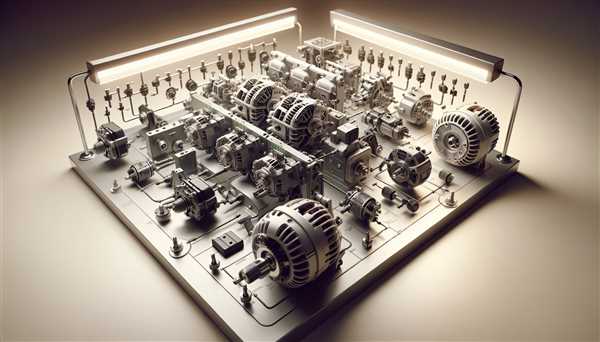
If your vehicle experiences electrical failures, the problem may often lie within the alternator or the energy supply framework. Regularly inspect your alternator’s output voltage; it should typically range between 13.5 to 14.5 volts while the engine is running. Any deviation from this range may signal a malfunction. Additionally, check for loose connections or signs of corrosion, which can hinder performance.
Understanding how these components work in tandem is crucial. The alternator converts mechanical energy from the engine into electrical energy, powering the vehicle’s electrical systems and recharging the battery. A consistent output is critical for maintaining battery health; continued underperformance not only affects your car’s electronics but may also lead to battery failure.
Maintenance tips include periodic inspections of belts and components for wear. Ensure the housing remains clean and free of debris to avoid overheating. Consider replacing the alternator every 80,000 to 100,000 miles or if any warning lights indicate a problem. Proper upkeep of this power generation unit is key to efficient vehicle operation.
How Does an Alternator Work in a Vehicle?
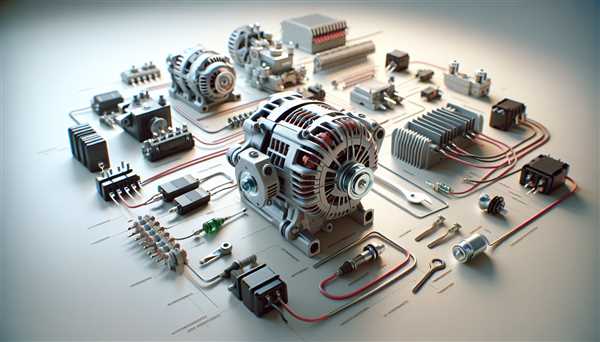
An alternator operates by converting mechanical energy from the engine into electrical energy through electromagnetic induction. It utilizes a rotor and stator; the rotor, driven by the engine’s crankshaft, spins within the stationary stator coils. This motion generates alternating current (AC).
A diode rectifier is then employed to convert the AC into direct current (DC), which is necessary for powering various components within the vehicle and charging the battery. This process ensures that energy is properly distributed, maintaining the electrical integrity of the vehicle.
The voltage regulator monitors the output, adjusting the amperage supplied based on vehicle demand. If electrical consumption is high, the regulator increases the output. Conversely, during low demand, the output is decreased to avoid battery overcharging. This feedback mechanism keeps the electrical apparatus functioning without interruption.
Proper maintenance involves checking the belt tension, inspecting electrical connections, and testing the output voltage. If the alternator fails, numerous symptoms may arise, including dimming lights, electronic malfunctions, or a discharged battery. Regular checks help avoid unexpected breakdowns and ensure reliable operation.
Common Signs of a Failing Charging System
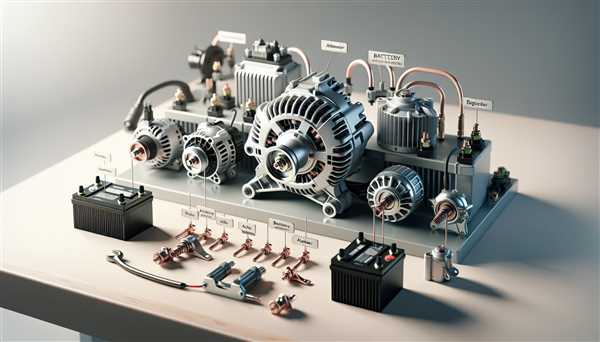
Monitor your dashboard lights. If the battery warning indicator remains lit after starting, inspect the power supply mechanism immediately.
Inspect the battery voltage. A reading below 12.4 volts while the engine is off indicates a potential problem with the power generation unit.
Check for unusual noises such as grinding or whining coming from the unit. These sounds often signify mechanical issues requiring attention.
Watch for flickering headlights or dimming interior lights. Fluctuations in brightness can indicate inadequate power provision.
Evaluate the battery’s physical condition for corrosion or leaking fluid. These signs can pinpoint a malfunctioning power source.
Observe difficulty starting the engine. If it struggles but the battery seems fine, the power generation unit may be at fault.
Listen for excessive heat from the battery or the generator. Overheating components often point to inefficiencies or breakdowns.
Finally, if electrical accessories malfunction or underperform, consider a thorough examination of the entire charging process.
Steps for Diagnosing Alternator and Battery Issues
Begin with a visual inspection of battery connections. Ensure terminals are clean and free of corrosion. A secure fit aids in proper flow of electricity.
Utilize a multimeter to measure battery voltage. A fully charged battery should read around 12.6 volts. If the reading is significantly lower, the battery might be discharged or faulty.
Next, start the engine and recheck voltage. It should increase to about 13.5 to 14.5 volts, indicating that the generator is functioning correctly and supplying power to the battery.
If the voltage remains the same or drops, examine the connections at the generator and wiring for any signs of damage or loose fittings. Damaged wires can severely impact electrical flow.
Additionally, perform a load test on the battery. This requires a load tester that can measure how the battery performs under various conditions. A significant drop in voltage during this test indicates a weak or failing battery.
Listen for unusual sounds from the generator, such as whining or grinding. These can signal internal issues, leading to inefficiency or failure.
Check the fuses related to the electrical components. A blown fuse can disrupt the circuit and cause charging failures.
Lastly, consider the age and usage of the battery. Most batteries last between three to five years, depending on their use and maintenance. Monitor performance and replace if necessary.

