


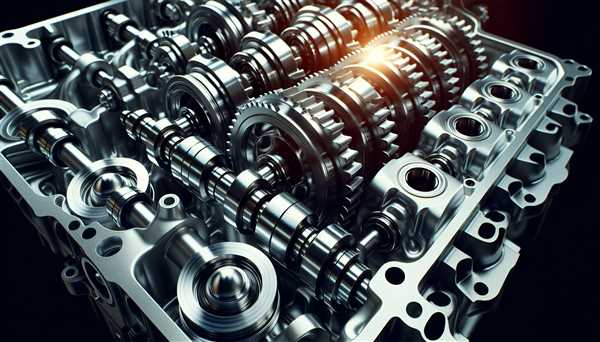
For optimal engine performance, focus on achieving precise timing between rotating components. A well-timed crankpin ensures that piston movement and valve actuation synchronize seamlessly, enhancing efficiency. Regular maintenance of these parts can prevent misalignment, which often leads to power loss and increased wear.
Investing in high-quality materials for both components can significantly reduce friction and heat generation. Upgrading to a performance crankshaft with lightweight alternatives can improve acceleration and responsiveness, while an advanced camshaft design can optimize airflow, leading to greater horsepower.
Consider the specifications of both components carefully. A degree of overlap in timing profiles can provide a balance between low-end torque and high-end power, catering to various driving needs. Ultimately, the right combination will enhance overall vehicle dynamics, providing a smoother and more enjoyable ride.
Key Differences Between Crankshafts and Camshafts in Engine Functionality
A crankshaft primarily transforms linear motion of pistons into rotational force, enabling power transmission to drivetrain components. Its structure, featuring multiple rods, supports this transformation. This aspect is crucial for generating torque, which propels the vehicle.
Conversely, a camshaft controls the opening and closing of engine valves, facilitating the intake of air-fuel mixtures and the expulsion of exhaust gases. The specific timing of these actions, determined by the design of the camshaft lobes, directly affects engine performance and efficiency.
While both components connect to the timing system, they operate independently within the engine. Crankshafts synchronize with pistons for optimal power delivery, while camshafts align with valve operation for proper airflow management. This separation ensures that each component performs its unique function without conflict.
Placement also differs; the crankshaft rests within the engine block, while the camshaft typically resides above or within the cylinder head. This positional variation influences maintenance practices and part replacement procedures.
Lastly, materials utilized for manufacturing differ significantly. Crankshafts often consist of forged steel or cast iron, suited for high-stress applications. In contrast, camshafts may use cast iron, aluminum alloys, or composite materials, aligning with the need for precise valve operation and weight considerations.
How Crankshaft Timing Affects Camshaft Operation and Engine Performance
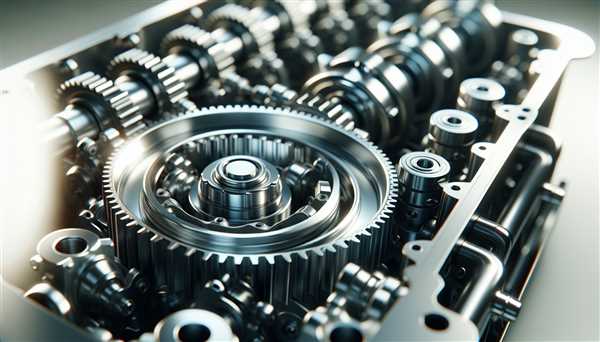
Precise synchronization between rotating components greatly influences engine efficiency. Crankshaft timing determines when each valve opens and closes, directly affecting airflow and combustion. Adjusting this timing can significantly enhance torque and horsepower outputs. Optimal alignment ensures valves operate effectively within each power cycle, optimizing engine breathing.
Timing alterations can be achieved through adjustable timing gears or variable valve timing systems, allowing for customization based on driving conditions. For instance, advancing timing may increase low-end torque, while retarding it can enhance high-RPM performance. Manufacturers often specify timing settings for various conditions, making adherence crucial for performance tuning.
Misalignment leads to issues like valve overlap, causing power loss and increased emissions. Monitoring timing through diagnostics can prevent such failures, allowing timely adjustments. Upgrading components such as chains or belts can also ensure reliable operation, reducing the risk of catastrophic engine damage.
Ultimately, understanding how timing impacts valve mechanics allows for informed modifications, fostering improved vehicle performance and longevity.
Maintenance Practices for Optimizing Crankshaft and Camshaft Longevity
Regular oil changes are critical, using high-quality lubricants to prevent wear. Monitor oil levels and maintain cleanliness to avoid contamination that can damage rotating components.
Check for misalignment during installation. Even slight deviations can cause uneven wear and lead to premature failure. Ensure all fasteners are tightened to manufacturer specifications.
Inspect timing components routinely. Worn timing belts or chains can impact synchronization between the crankshaft and valve timing, resulting in catastrophic engine damage. Replace any damaged parts promptly.
Maintain cooling systems effectively. Overheating can lead to warping of metal parts. Regularly inspect radiators and coolant levels to ensure efficient heat dissipation.
Utilize proper tensioning techniques for belts and chains. Incorrect tension can lead to slippage or excessive strain, affecting performance and longevity.
Regularly inspect the condition of bearings. Worn bearings can lead to increased friction, affecting the operation of rotating assemblies. Replace worn parts as needed to maintain smooth function.
Listen for unusual noises from the engine bay. Knock, ticking, or grinding sounds can indicate problems with the rotating assembly. Address any irregular sounds immediately to prevent severe damage.
Conduct regular performance assessments. Consistent monitoring of engine parameters like horsepower and torque can highlight inefficiencies that may stem from crankshaft and valve timing issues.
Ensure proper fuel quality. Using low-grade fuel can lead to deposits, and incomplete combustion can increase wear on internal components. Regularly clean injectors and combustion chambers.
Document maintenance activities diligently. Keeping a comprehensive log of services performed and parts replaced can assist in identifying patterns and potential issues early on.

