


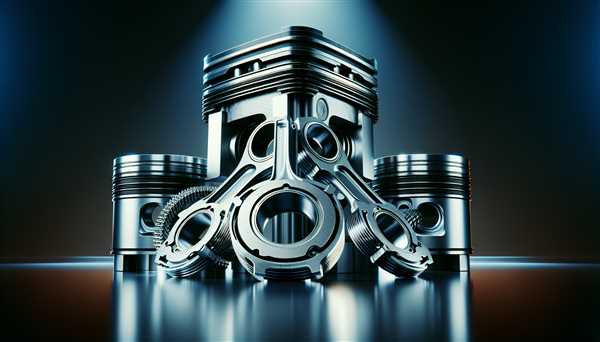
To enhance your vehicle’s energy delivery, consider examining the construction and quality of the moving components within the combustion chamber. Selecting high-performance substitutes can significantly elevate overall output metrics.
Precision engineering in the shapes and materials of these components leads to reductions in friction and improvements in thermal efficiency. Opt for lightweight variants designed for high RPM scenarios; this alteration can escalate responsiveness and acceleration.
Additionally, prioritize a balanced fit to maintain proper clearance, which ensures optimal combustion pressure. Regularly inspecting these components for wear can prevent efficiency losses and expensive repairs. In short, these modifications are crucial for anyone looking to achieve a highly productive setup.
How Piston Design Influences Engine Output
Choosing a specific geometry can significantly enhance performance metrics. A flat-top design increases compression, boosting combustion efficiency. Conversely, dome-shaped configurations help in achieving higher power levels by optimizing airflow dynamics.
The weight of the component also plays a role; lighter constructions allow for quicker acceleration and improved throttle response. Incorporating materials like aluminum aids in weight reduction while maintaining structural integrity.
Skirt design should not be overlooked. A short skirt minimizes friction, facilitating smoother movement within the cylinder. This design choice directly correlates with lower energy losses.
Finally, surface finish quality affects seal integrity. A smoother surface reduces wear over time and enhances the fitting with cylinder walls, leading to better sealing and efficiency.
The Role of Piston Rings in Reducing Friction and Energy Loss
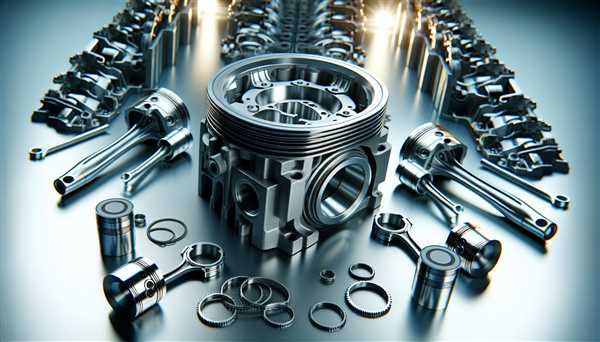
Maintaining optimal seal integrity is critical for minimizing friction in a combustion chamber. Properly designed interfaces can significantly decrease energy drain, enhancing overall output. The correct selection of materials, such as low-friction alloys or advanced coatings, ensures better durability and efficiency under high temperatures.
Regular inspection and replacement of these components are advisable since wear can lead to increased leakage and energy loss. Utilizing precision-engineered parts can reduce frictional resistance, contributing to smoother operation and higher output levels.
Understanding clearances is vital; excessive gaps may lead to inefficiencies and a drop in output levels. Adjusting these to manufacturer specifications can yield noticeable improvements in performance. Lubrication strategies also play a role; optimal oil viscosity aids in reducing friction, providing consistent protection against wear.
Consider the use of modern technologies like piston ring profiling, which enhances the surface for better contact and lower energy loss. Implementing these strategies can lead to substantial improvements, making it an area worthy of attention in any high-performance setup.
Upgrading Pistons and Rings for Enhanced Engine Performance
Consider utilizing lightweight materials like forged aluminum or high-performance alloys to increase compression and reduce weight. High-compression units create a more efficient burn, leading to improved torque and acceleration.
Choose designs with better heat dissipation characteristics, as this can minimize thermal expansion and enhance durability. Opt for surface treatments, such as anodizing or coatings, that reduce friction and wear, contributing to smoother operation and longevity.
Implement a tighter gap to enhance sealing capabilities and control blow-by, which optimizes combustion and exhaust efficiency. Pairing new components with precision machining ensures optimal fitment, further enhancing the synergy between the parts.
Selecting a balanced set of components that work together can significantly amplify output. Consider upgrading to high-performance components that match your custom tuning goals, ensuring all modifications align for maximized effectiveness.
Monitor compatibility with existing systems like intake and exhaust to prevent mismatches that could negate gains. Regular testing and adjustments will ensure that the upgrades yield the intended results, providing a measurable boost in overall outputs and reliability.

