


Observe steering responsiveness closely. A noticeable reduction in precision during maneuvers or frequent oversteering could indicate a problem. This can lead to unpredictable handling behaviors on the road.
Listen for unusual noises, such as clunks or pops, particularly when traversing bumps or uneven surfaces. These sounds indicate a potential issue with the suspension system, which should not be ignored.
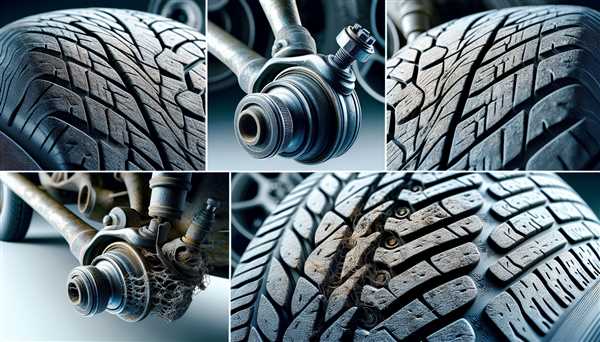
Inspect tire wear patterns regularly. Uneven or excessive wear on the tread could signal alignment or suspension issues. Checking the alignment helps ensure even wear and prolongs tire life.
Pay attention to suspension geometry. Any visible signs of excessive play during wheel movement can confirm concerns about component integrity. Checking for any looseness in suspension parts should be part of routine maintenance.
Feel vibrations through the steering wheel during acceleration or braking. These sensations can indicate that certain components are compromised, requiring immediate attention for safety and performance.
Unusual Noises While Driving: Identifying Ball Joint Wear
Listen carefully for clunking or popping sounds emanating from the front end. These noises often indicate deterioration in suspension components, particularly in articulation areas.
Grinding or squeaking sounds while turning signal a potential issue with the connections that keep alignment stable. This symptom should not be overlooked, as it can lead to further complications.
If a knocking noise occurs during acceleration or braking, it may suggest loose components. Inspecting the connections should be a priority to prevent additional damage.
Pay attention to any rattling noises when driving over rough terrain. This indicates a lack of stability in the suspension system, often linked to aging connections.
Investigate any unusual vibrations felt through the steering wheel as this can be an early symptom of failing components. Ensuring proper maintenance can prevent escalation of issues.
Handling Issues: How Worn Ball Joints Affect Your Steering
For better handling and steering response, regular inspection of suspension connections is crucial. A few notable indicators of degraded connections include:
- Unusual tire wear patterns, which can suggest misalignment caused by compromised connections.
- Increased play in the steering wheel, leading to a vague feeling while attempting to steer.
- Vibrations felt through the steering wheel, signifying loose connections affecting stability.
- Tracking issues, where the automobile fails to maintain a straight line even on flat roads.
- Clunking or knocking noises while turning may originate from damaged or loose joints impacting handling.
Addressing these symptoms promptly ensures safety and enhances overall performance. Regular maintenance checks can preemptively identify troubling connections before they escalate into more severe issues.
In case of noted issues, consulting a professional for an accurate diagnosis and necessary repairs can restore optimal steering functionality. Consider periodic evaluations of suspension components to minimize potential handling problems.
Visual Inspection: Recognizing Ball Joint Damage on Your Vehicle
Check for visible wear or tearing in the rubber boot surrounding the component. A damaged boot can lead to contamination of the grease, causing premature failure.
Assess for any significant play or movement when trying to wiggle the wheel while the vehicle is lifted. Excessive play might indicate internal damage.
Observe for uneven tire wear patterns on the tread. This could signal alignment problems linked to compromised components.
Look for any signs of grease leakage around the joint area. This may suggest that the lubricant is escaping, affecting performance.
Listen for knocking or clunking noises during turns or when going over bumps. These symptoms could signify internal wear that influences stability.
Inspect the connection points for rust or corrosion. Deterioration at these locations can weaken attachments and affect handling.

